The Combination Therapy of Imatinib and Curcumin to Combat Imatinib-Resistant Chronic Myeloid Leukemia
By: Kara Wang (Westwood High School)
Summary
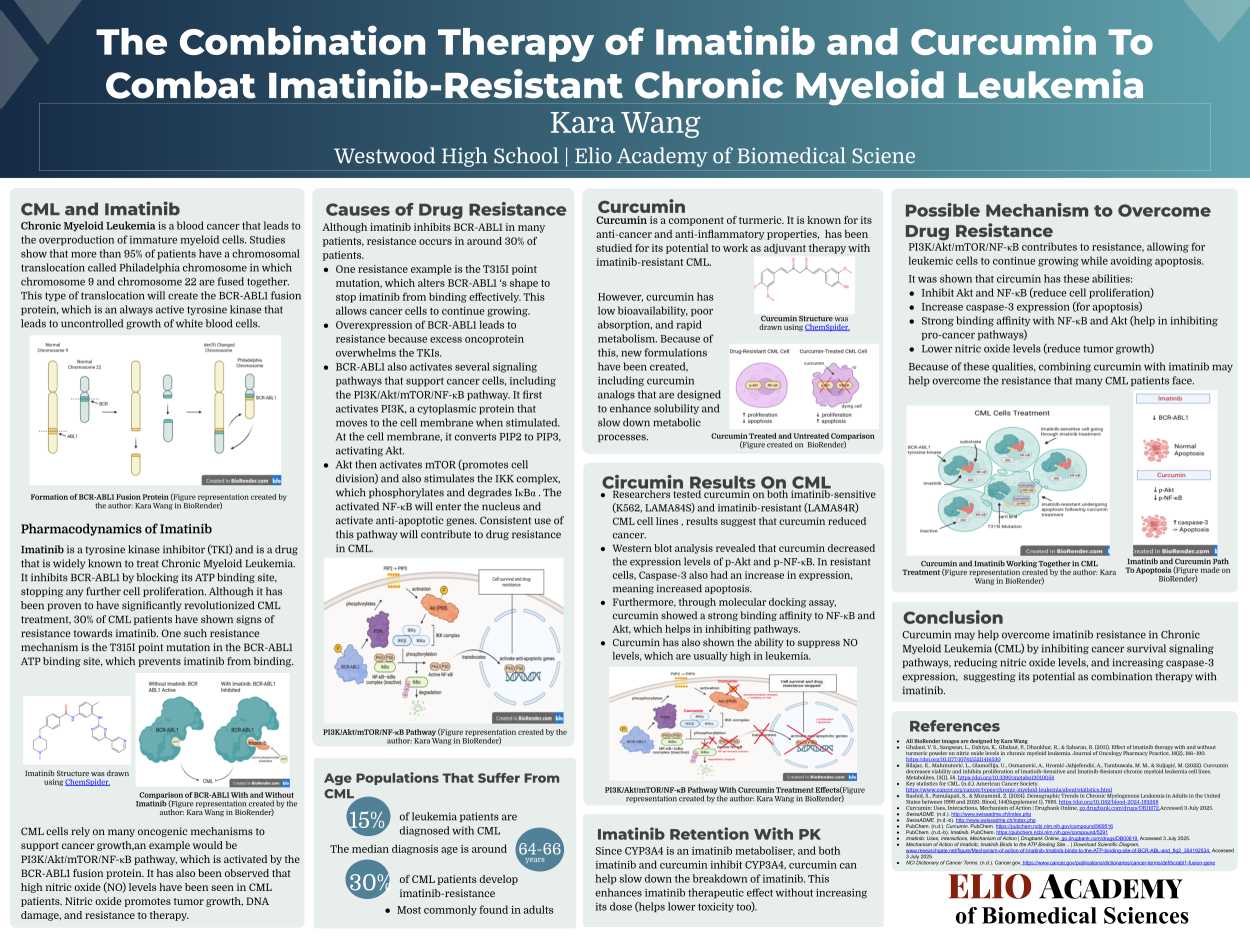
Chronic Myeloid Leukemia (CML) is a blood cancer that leads to uncontrolled myeloid cell growth in the bone marrow. The main cause for it is the BCR-ABL1 fusion protein that comes from a chromosomal translocation between chromosome 9 and chromosome 22, forming the Philadelphia chromosome. Imatinib is a drug that inhibits BCR-ABL1. It is a tyrosine kinase inhibitor that blocks the ATP binding site of BCR-ABL1, preventing ATP from binding and phosphorylating its substrates. Although imatinib treatment has benefited many CML patients, around 30% of them develop a resistance to the drug. There are many resistance mechanisms, such as the T315I point mutation, BCR-ABL1 overexpression, and the persistent activation of oncogenic pathways like PI3K/Art/mTOR/NF-κB.
Curcumin, a component of turmeric, is believed to posses anti-cancer properties. So, it is being researched to determine the possibility of combination therapy with imatinib. Silico analysis indicates that curcumin can bind well with and inhibit oncogenic proteins like Akt and NF-κB that are found in pro-cancer signaling pathways. Other findings suggest that curcumin can lead to an increase in caspase-3 expression (promotes apoptosis) and lower nitric oxide levels. Nitric oxide levels are typically high in leukemia patients, so curcumin's ability to lower these levels may help in CML treatment. The pharmacokinetics of imatinib and curcumin indicate that one of imatinib's metabolizers, CYP3A4 is also an inhibitor of curcumin. This suggests that curcumin may help to slow down the breakdown of imatinib and potentially improving its therapeutic effect with little toxicity.
By combining the two, curcumin may be able to enhance the effectiveness of CML treatment, with imatinib continuing to inhibit BCR-ABL1 in sensitive cells and curcumin mainly targets imatinib-resistant cells. Although this combination therapy has potential in improving CML treatment, more research and clinical studies must be conducted to reach an accurate conclusion.
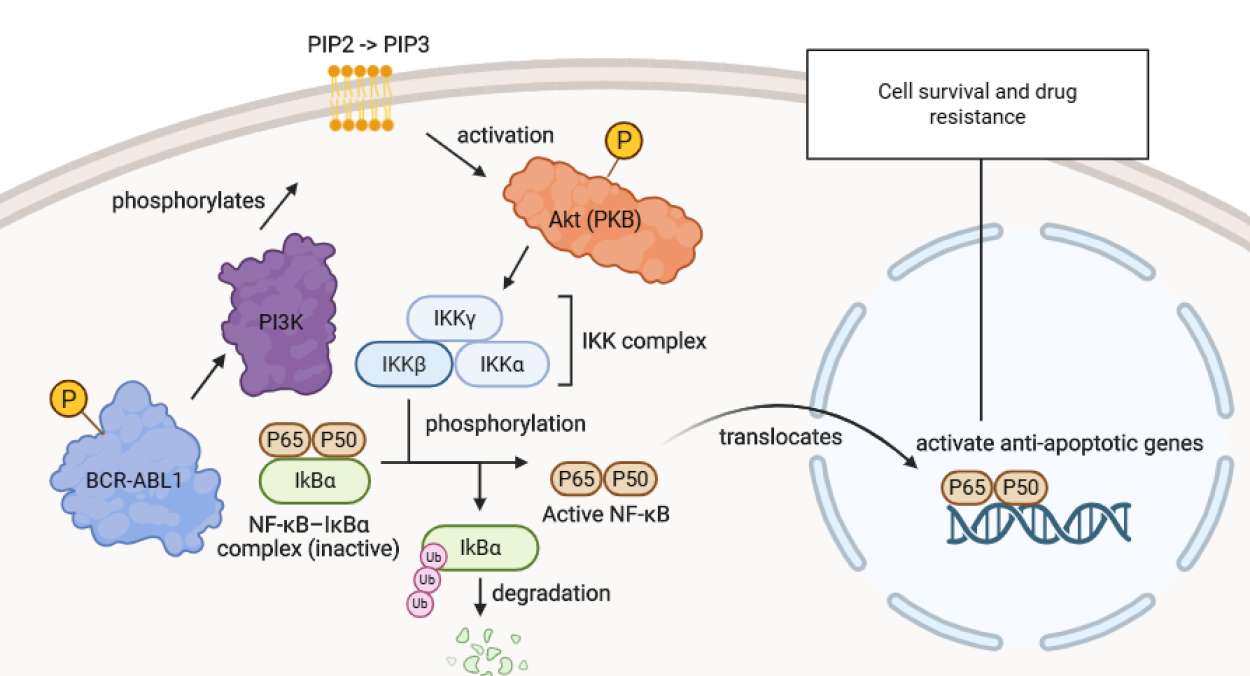
PI3K/Akt/mTOR/NF-κB pathway
(Figure representation created by the author: Kara Wang)
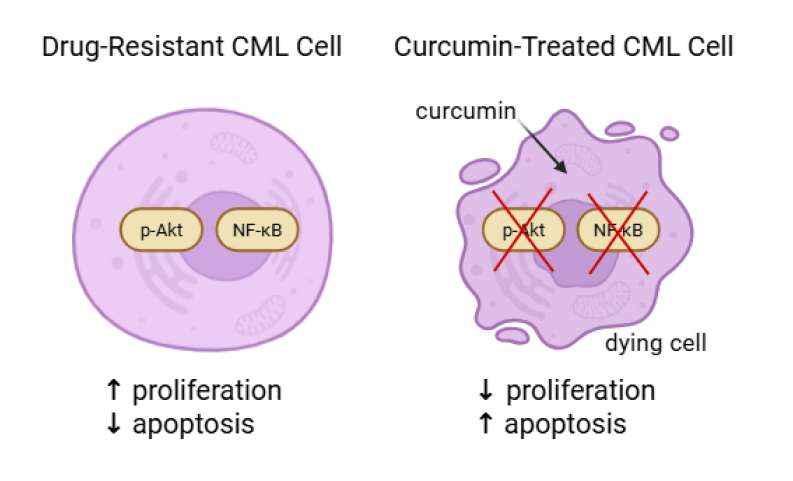
Curcumin Treated and Untreated Comparison
(Figure representation created by the author: Kara Wang)
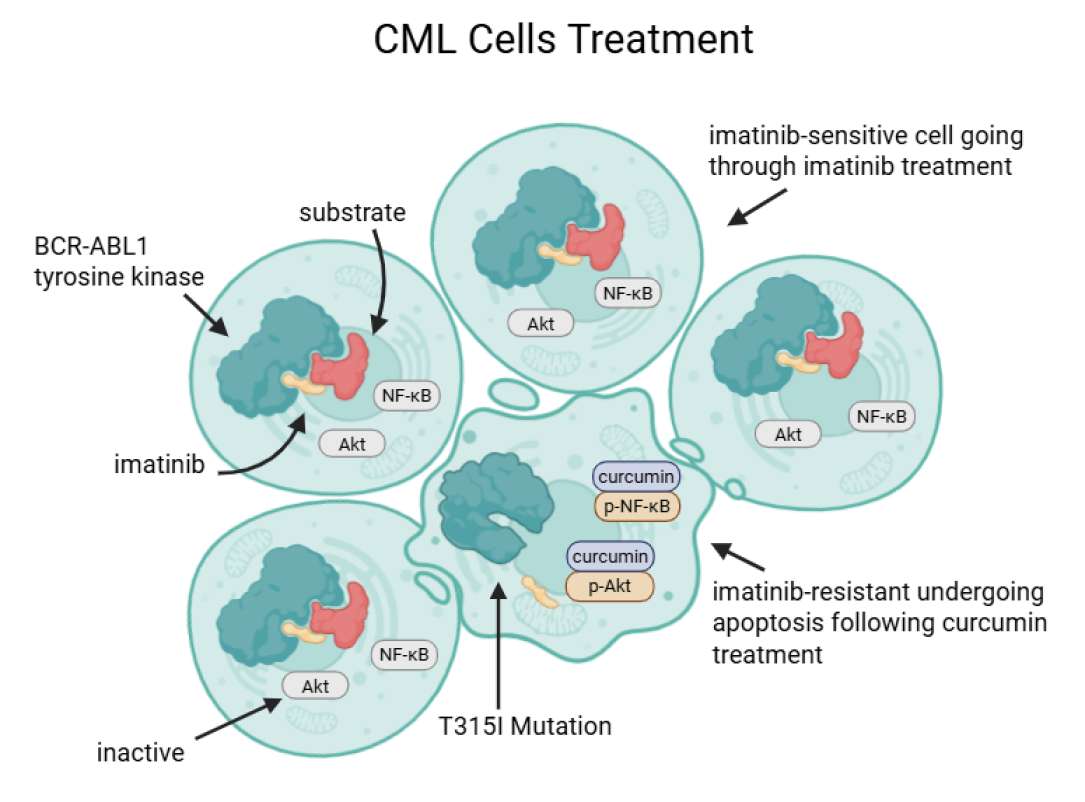
Promising CML Treatment with Curcumin and Imatinib
(Figure representation created by the author: Kara Wang)
Video Presentation
Impact Statement

Kara Wang
I am Kara Wang, a high school student from Texas. Through the Biochemistry and Pharmacology course I took at Elio Academy of Biomedical Sciences, I created a research poster on Chronic Myeloid Leukemia (CML) and how curcumin might be able to help overcome imatinib resistance when used as combination therapy with imatinib. During the experience, I learned how to analyze scientific literature, understand imatinib resistance mechanisms, and determine how cancer pathways such as PI3K/Akt/mTOR/NF-κB lead to cancer progression. Something I appreciated about this program was the freedom to determine potential treatment strategies; in my case, I was thinking of how curcumin might overcome drug resistance. I also learned how to use biomedical research tools such as NCBI, PubChem, PubMed, and BioRender. Furthermore, my instructor was very helpful in guiding me through my research experience and was flexible with my ideas. Thank you, Elio Academy, for providing me with a valuable research experience.
Student Reflection
By: Kara Wang. The opinions expressed here are the views of the writer and do not necessarily reflect the views and opinions of Elio Academy.