Methemoglobin & its Cure: Methylene Blue
By: Moscalu Teodor-Gabriel (International Computer High School of Bucharest)
Summary
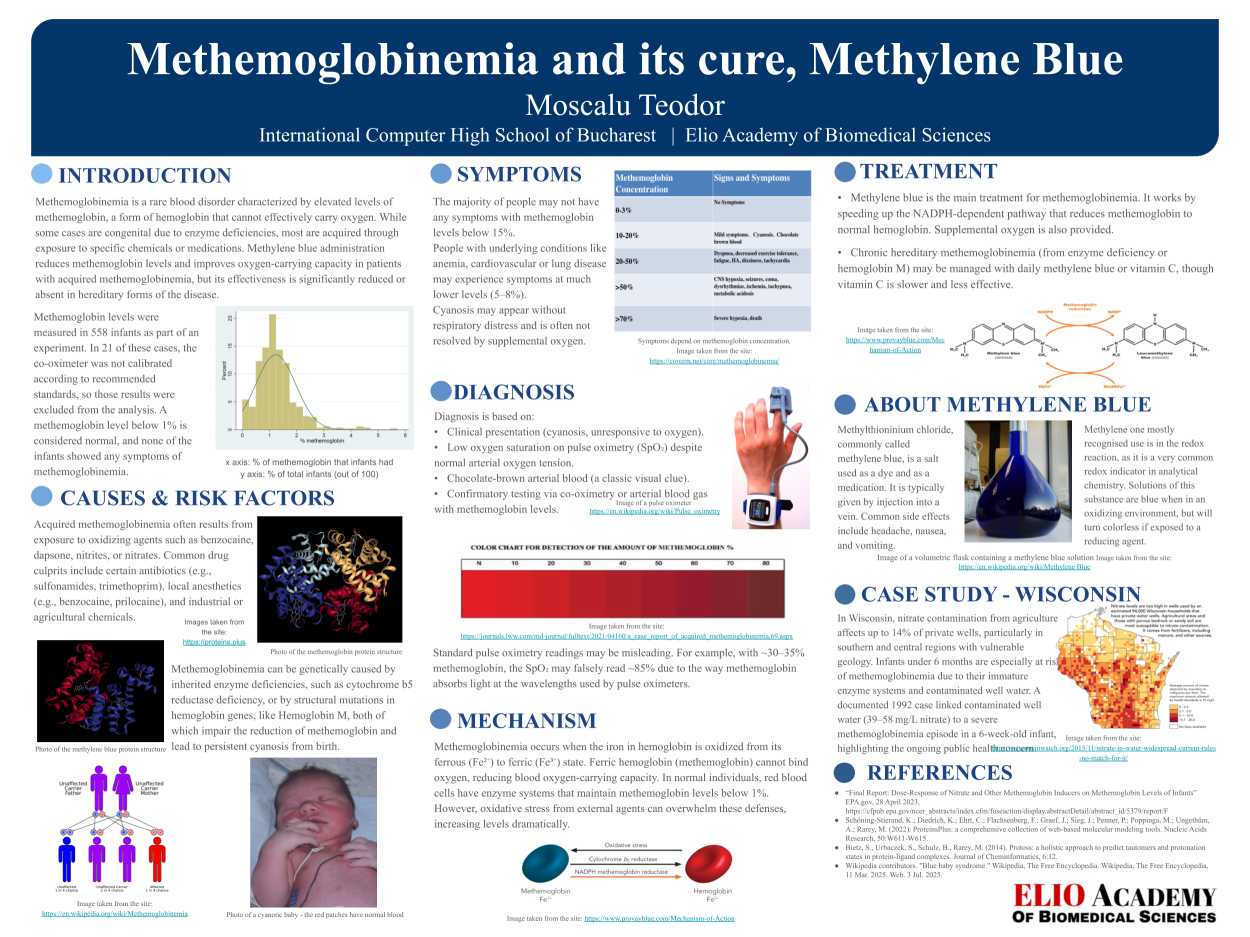
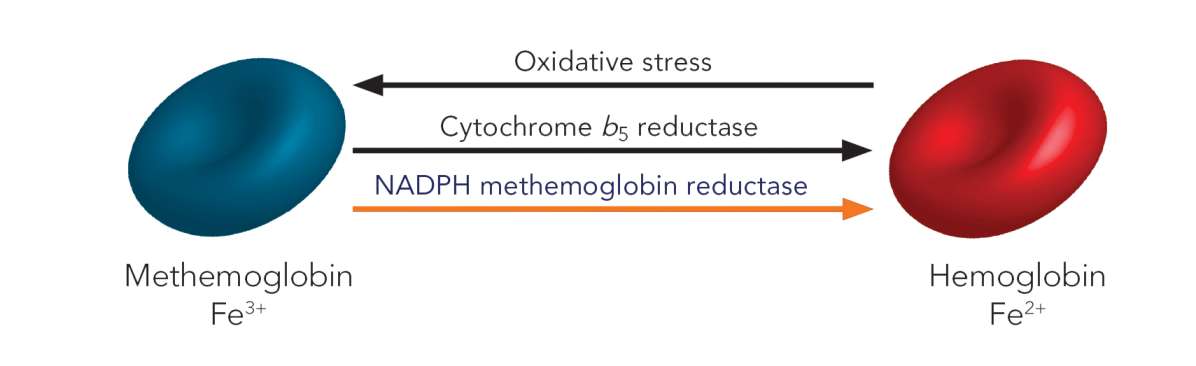
Methemoglobinemia is a rare blood disorder characterized by elevated levels of methemoglobin, a form of hemoglobin that cannot effectively carry oxygen. There are two types of methemoglobinemia: the acquired form often results from exposure to oxidizing agents (e.g. benzocaine, dapsone, nitrates, or local anesthetics), while the inherited form can be genetically caused by inherited enzyme deficiencies, or by structural mutations in hemoglobin genes. Infants under six months are especially vulnerable to methemoglobinemia due to their immature enzyme systems, which limits their ability to reduce methemoglobin effectively. This risk is heightened in areas with nitrate-contaminated well water or through the use of topical anesthetics like benzocaine.
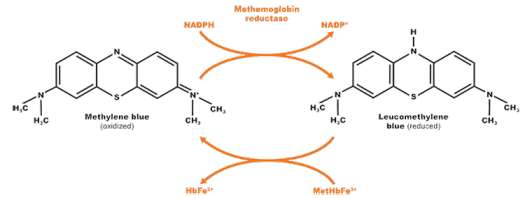
Methylene blue administration reduces methemoglobin levels and improves oxygen-carrying capacity in patients with acquired methemoglobinemia, but its effectiveness is significantly reduced or absent in hereditary forms of the disease, where Vitamin C or hyperbaric oxygen therapy are better suited.
Diagnosis is done through instruments like pulse oximeters (SpO2), though some tests show falsely high values (~85%). Aside from them, the chocolate-brown arterial blood is a classic visual clue regarding higher levels of methemoglobin. The concentration of methemoglobin gives the symptoms a patient experiences: up until 15%, a healthy individual may not have any symptom, but for the people with underlying conditions like anemia, cardiovascular or lung disease may experience symptoms at much lower levels (5–8%). From 15% to 20%, cyanosis and chocolate brown blood are visible. From 20% to 50%, fatigue sets in, as well as dizziness, tachycardia and decreased exercise tolerance. Anywhere above 50%, symptoms range from seizures and comas to severe hypoxia and death.
Video Presentation
Impact Statement

Moscalu Teodor-Gabriel
The Elio Summer Camp of Research in Biomedical Chemistry was a transformative academic experience that deepened my understanding of human biology at the molecular level. Through modules on biomolecules, enzymes, and cellular metabolism, I gained a clearer picture of how our bodies extract and manage energy. For example, learning about how ATP is generated through the Krebs cycle helped me connect textbook knowledge to real-world physiological processes, especially in the context of nutrition and metabolic disorders. I found the biochemistry of diseases such as diabetes and cancer modules very interesting; I was particularly intrigued by how insulin resistance disrupts glucose metabolism, contributing to chronic inflammation and disease progression. In studying E. coli, I saw how this simple organism plays a vital role in genetic engineering and biotechnology. The pharmacology sessions introduced me to the importance of personalized medicine. I learned how genetic variation can influence drug response - a concept crucial to the development of safer, more effective treatments. Overall, the camp honed my critical thinking and scientific reasoning, equipping me with a strong foundation for future research in biomedical science. I hope I will be able to repeat the experience soon.
Student Reflection
By: Moscalu Teodor-Gabriel. The opinions expressed here are the views of the writer and do not necessarily reflect the views and opinions of Elio Academy.