SEMA3A Signaling as a Target Pathway for Group 4 Medulloblastoma
By: Victoria Lam

Victoria Lam
Jericho High SchoolThis experience not only enhanced my analytical skills but also my ability to design and carry out research systematically. I learned a plethora of knowledge regarding cancer biology and genetics. This knowledge was useful for finding a research topic, understanding the basics of medulloblastoma, and learning how to approach biomedical research. In addition, I learned how to craft a research paper and poster. Overall, learning the steps involved in conducting research will prepare myself for future research projects.
Short Report
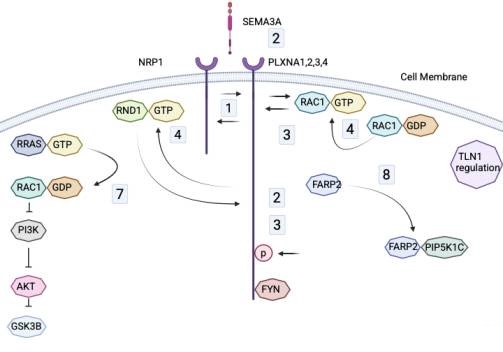
SEMA3A Signaling Pathway in Group 4 Medulloblastoma
(Figure representation created by the author(s): Victoria Lam)
Background
Medulloblastoma was coined by Henry Cushing and Percival Bailey in 1925. Medulloblastoma is one of the most common pediatric cancers. There are four types of medulloblastomas, WNT, SHH, Group 3, and Group 4 . Group 4 is the most common type of medulloblastoma. Despite an 80% five year survival rate for medulloblastoma Group 4, 50% relapse, and there is no cure for relapse. Targeting specific pathways have not been commonly used in Group 4 medulloblastoma.
Problem Statement
The molecular mechanisms of medulloblastoma need to be clearly defined, and precision medicine could provide better treatment with reduced side effects.
Research Hypothesis
Targeted inhibition of SEMA3A signaling may provide better control of the disease in combination with current treatment.
Results
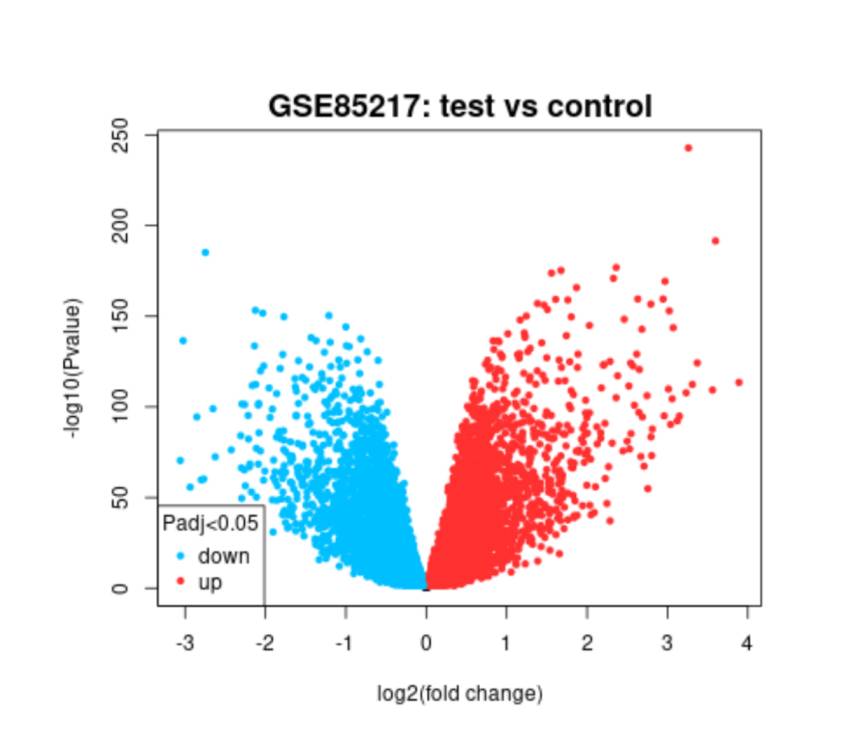
(Figure representation created by the authors:Victoria Lam)
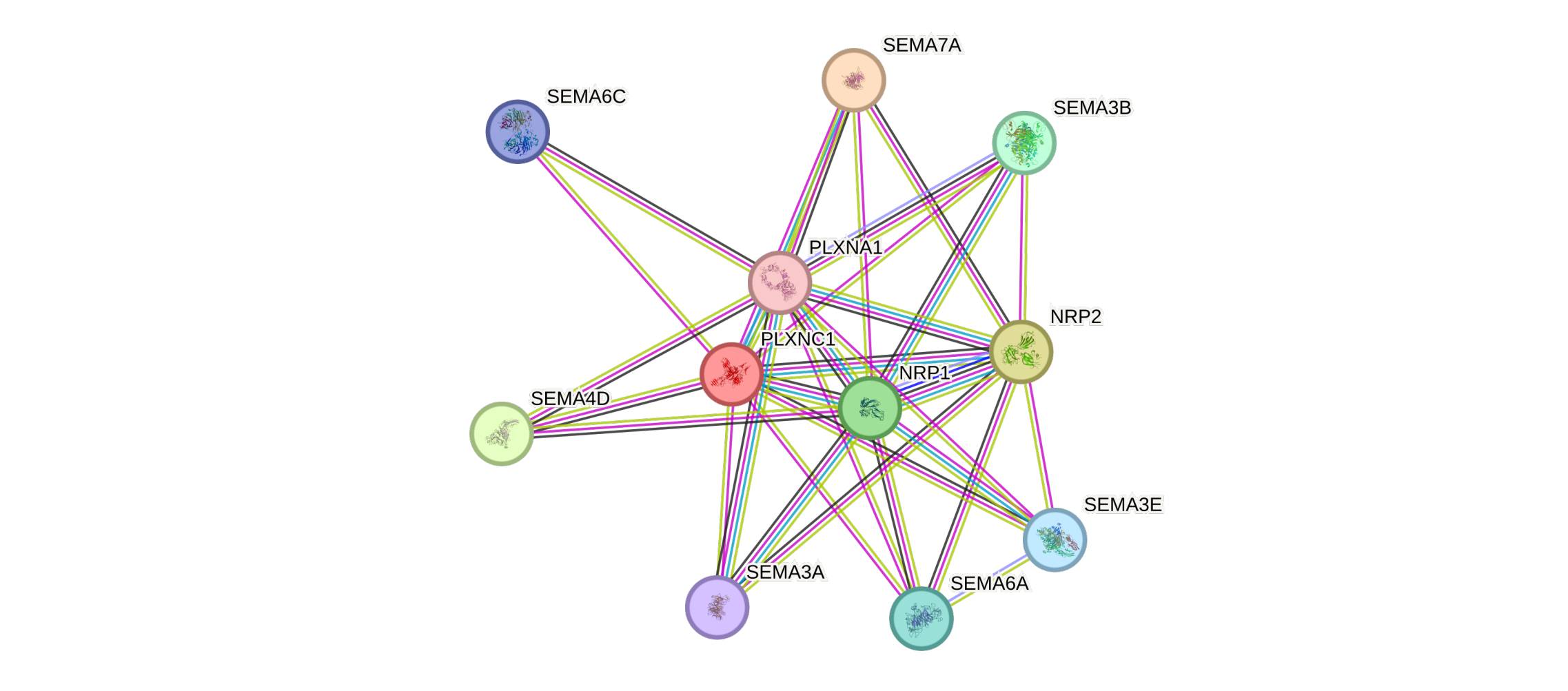
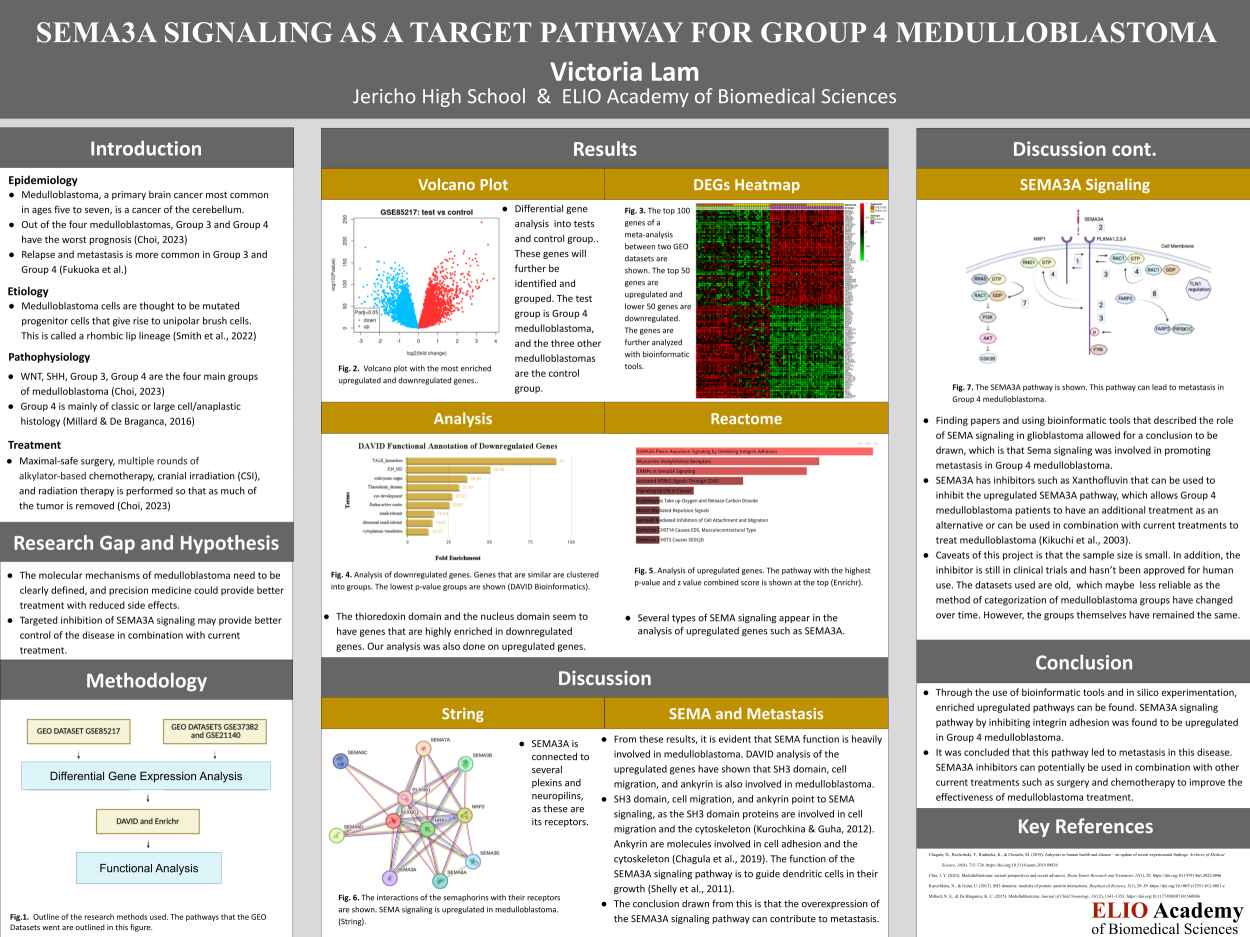
SEMA function is heavily involved in medulloblastoma. DAVID analysis of the upregulated genes have shown that SH3 domain, cell migration, and ankyrin is also involved in medulloblastoma. SH3 domain, cell migration, and ankyrin point to SEMA signaling, as the SH3 domain proteins are involved in cell migration and the cytoskeleton. Ankyrin are molecules involved in cell adhesion and the cytoskeleton. The function of the SEMA3A signaling pathway is to guide dendritic cells in their growth. The conclusion drawn from this is that the overexpression of the SEMA3A signaling pathway can contribute to metastasis.
Conclusion
Through the use of bioinformatic tools and in silico experimentation, enriched upregulated pathways can be found. SEMA3A signaling pathway by inhibiting integrin adhesion was found to be upregulated in Group 4 medulloblastoma. It was concluded that this pathway led to metastasis in this disease. SEMA3A inhibitors can potentially be used in combination with other current treatments such as surgery and chemotherapy to improve the effectiveness of medulloblastoma treatment.
By: Victoria Lam. The opinions expressed here are the views of the writer and do not necessarily reflect the views and opinions of Elio Academy.