Optic Neuritis in Multiple Sclerosis
By: Akshaya Vengala (Wayzata High School)
Summary
Optic Neuritis is when the immune system attacks the optic nerve, and it is usually the first warning symptom of Multiple Sclerosis. To diagnose this, doctors can perform multiple tests to check the health of the optic nerve. One being the swinging flashlight test where light is shined at the eye. If the pupil dilates instead of shrinking that shows that the visual signals aren't being sent to the visual cortex correctly. When the patient gets this symptom, there is a timeline, where their sights significantly gets worse, steadies out, and then slowly starts to recover. However, steroid treatments only speed up recovery and don't save the cell. Because of this, many patients have permanent subtle changes to their eyesight. There is a drug called Privosegtor that has shown to keep nerve cells alive during an attack and reduces permanent nerve thinning by 43%. This helped the patient recover faster, however, Phase 3 of the study must still occur. There are also other emerging therapies that can help nerve fibers as well. Overall, this project shows how moving toward protective nerve therapies can change the future of this condition by preventing permanent changes to the eye.
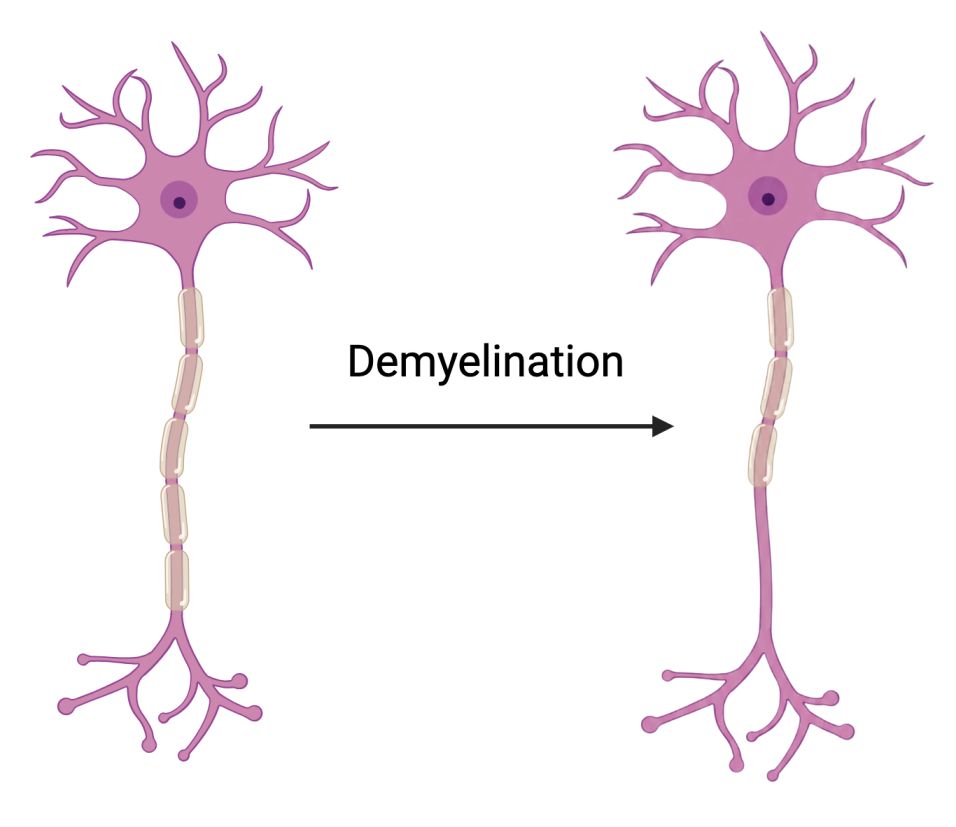
Pathophysiology of Optic Neuritis
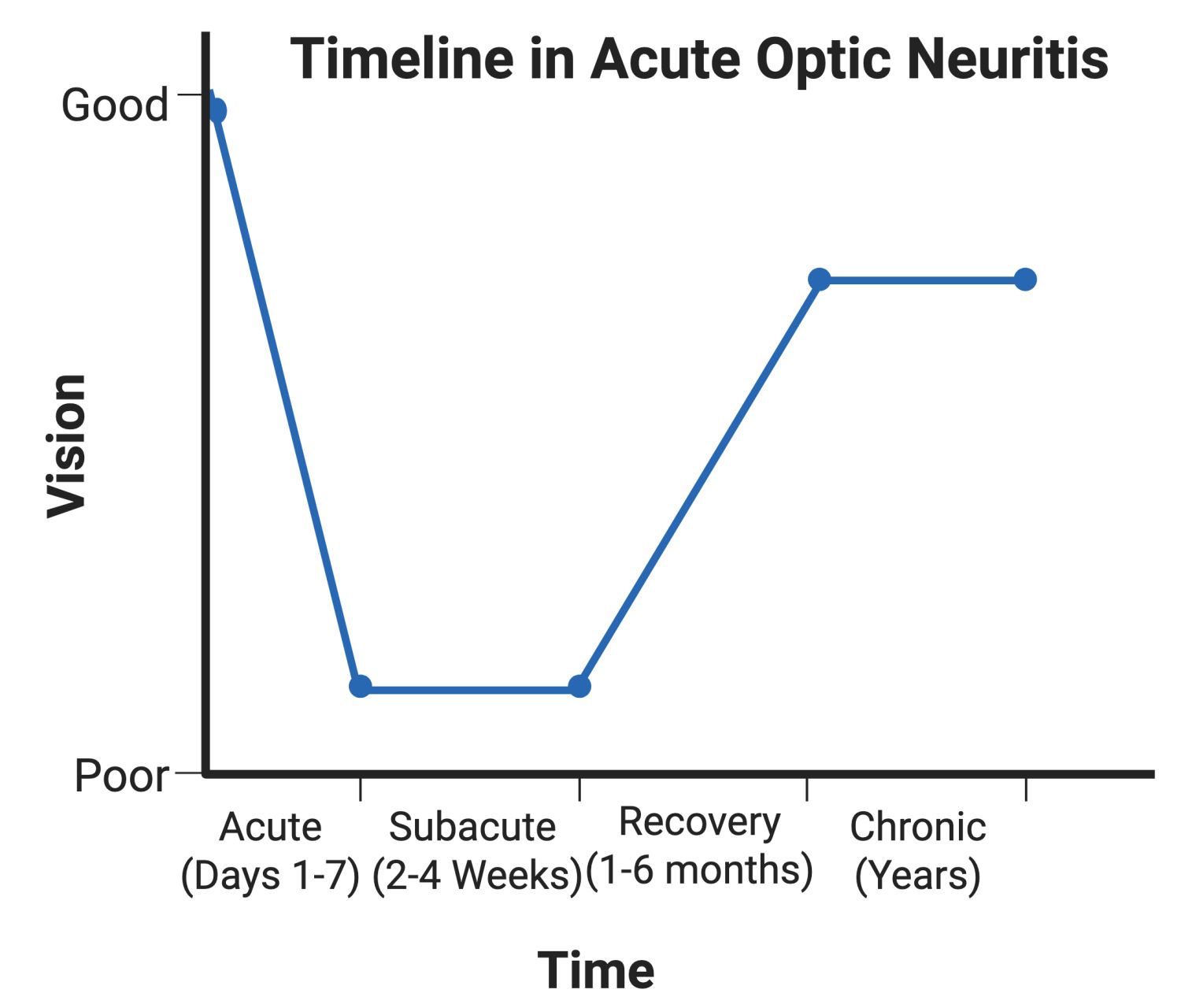
Timeline in Acute Optic Neuritis
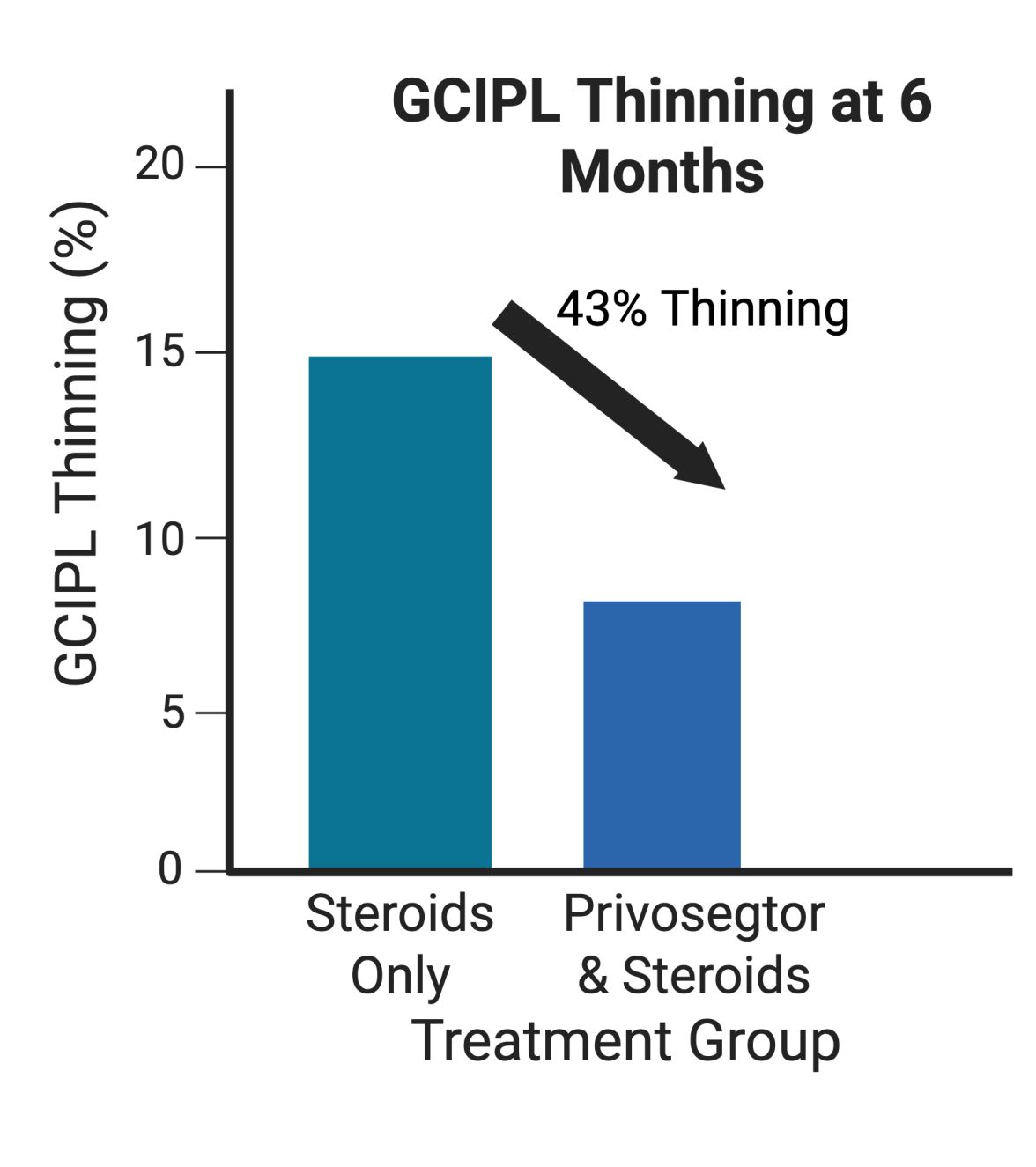
GCIPL Thinning at 6 Months
Video Presentation
Impact Statement

Akshaya Vengala
Before this program I know high level about neuroscience because of other classes I've taken, however this program allowed me to go deeper into topics that I am interested in especially since I want to do pre med. I also learned a lot more about how real life experiments work and are designed like for rats experiments for example. This program also forced me to stay focused and helped me build my attention span because we had longer sessions than I was used to. I also had to stop from procrastinating and work harder to meet the deadline. I also got to talk to other people during it and have discussions.
Student Reflection
By: Akshaya Vengala.