HBB Gene in Sickle Cell Disease
By: Allison Gee (Saint Francis High School)
Summary
My project focuses on those who have sickle cell disease, the most common monogenic blood disorder. Sickle cell disease is caused by a mutation in the HBB gene, causing the change in the shape in a person’s red blood cell from a flexible, disc shape to a rigid, sickle shape. This can lead to slowed or blocked blood flow, limiting oxygen delivery and additional complications. Sickle cell disease is most prevalent among many African, Mediterranean, and Middle Eastern descents. Although sickle cell disease is well-known, I believe it is important to really understand the mutation on chromosome 11 that drives this disease.
On chromosome 11, in the sixth codon, the HBB gene mutation codes for GTG instead of GAG, coding for valine instead of glutamic acid, leading to a beta-globin change. The HBB gene is responsible for producing hemoglobin, an iron-rich protein in red blood cells that delivers oxygen to the lungs and tissues. With sickle cell disease, the shape of the red blood cell reduces blood flow and the ability to carry oxygen throughout the human body. Despite these difficulties, there are multiple treatments currently used to tackle sickle cell disease. FDA approved drugs, such as Voxelotor, are used to ease conditions by stabilizing oxygen and red blood cell flow rates, and improving hemoglobin levels. Additionally, Hematopoietic Stem Cell Transplantation (HSCT), otherwise known as bone marrow transplant, also exists to provide healthy hematopoietic stem cells to patients with bone marrow failure. Lastly, CRISPR/Cas9 gene editing works to correct the mutation in the HBB gene.
Overall sickle cell disease is an illness many people have caused by the HBB gene mutation present in the human body. In recent times, scientists and researchers have discovered various options to treat this sickness. However, receiving treatment for sickle cell disease can be expensive and dangerous, In the future, I hope more people will have access to affordable, effective and most importantly, safe treatments to cure this disease.
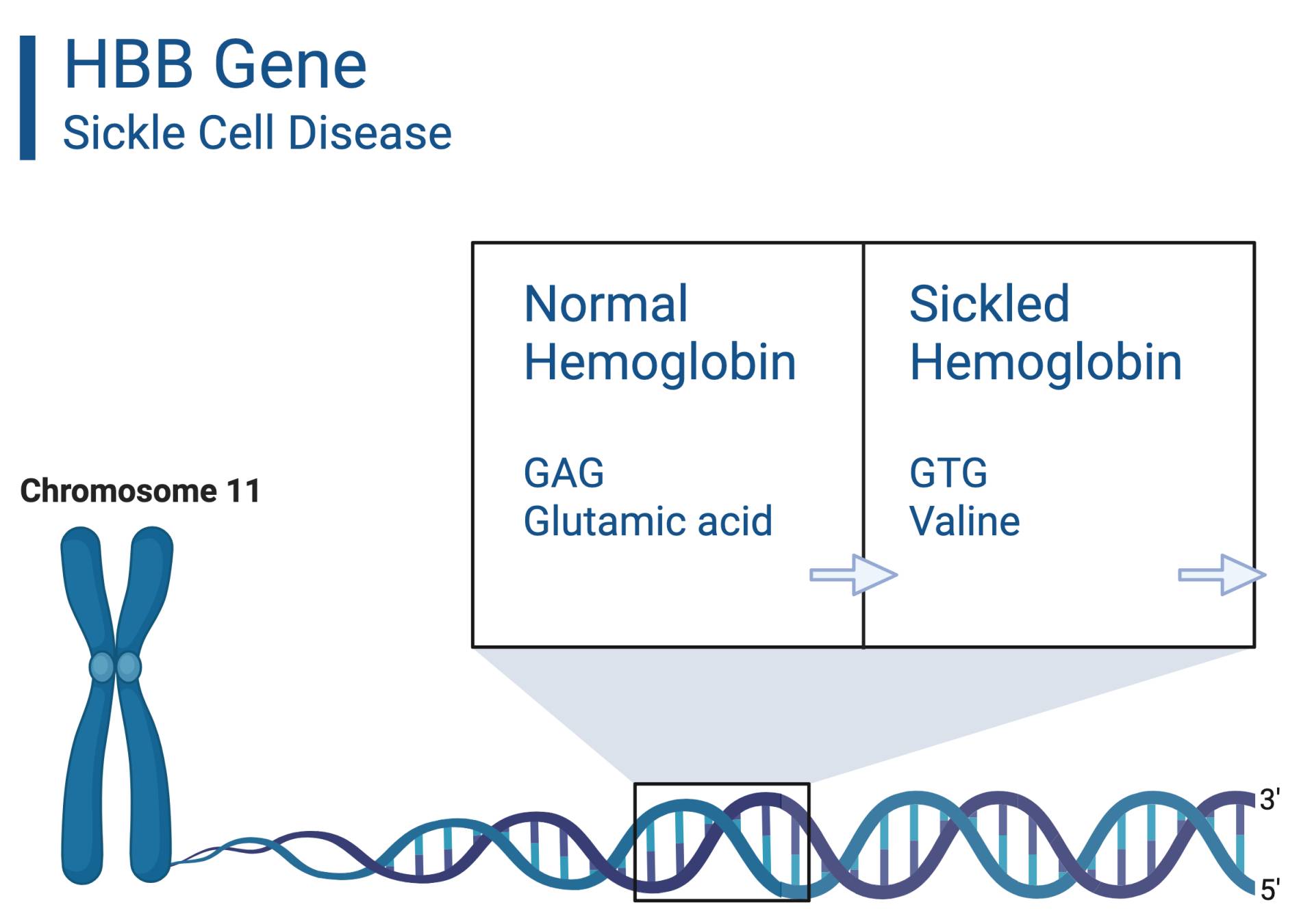
Difference in sixth codon for HBB gene in Sickle Cell Disease
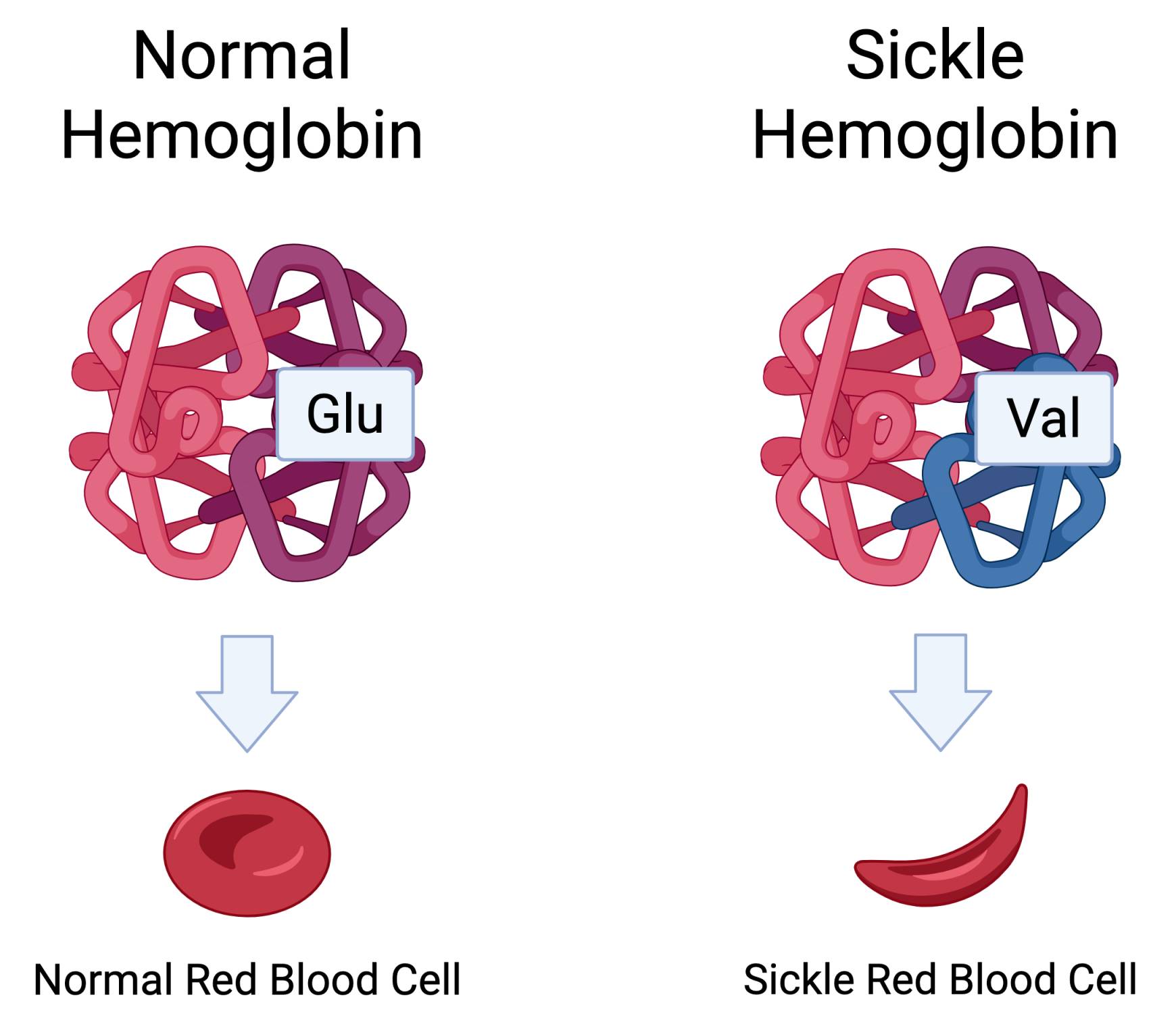
Change of hemoglobin shape in Sickle Cell Disease
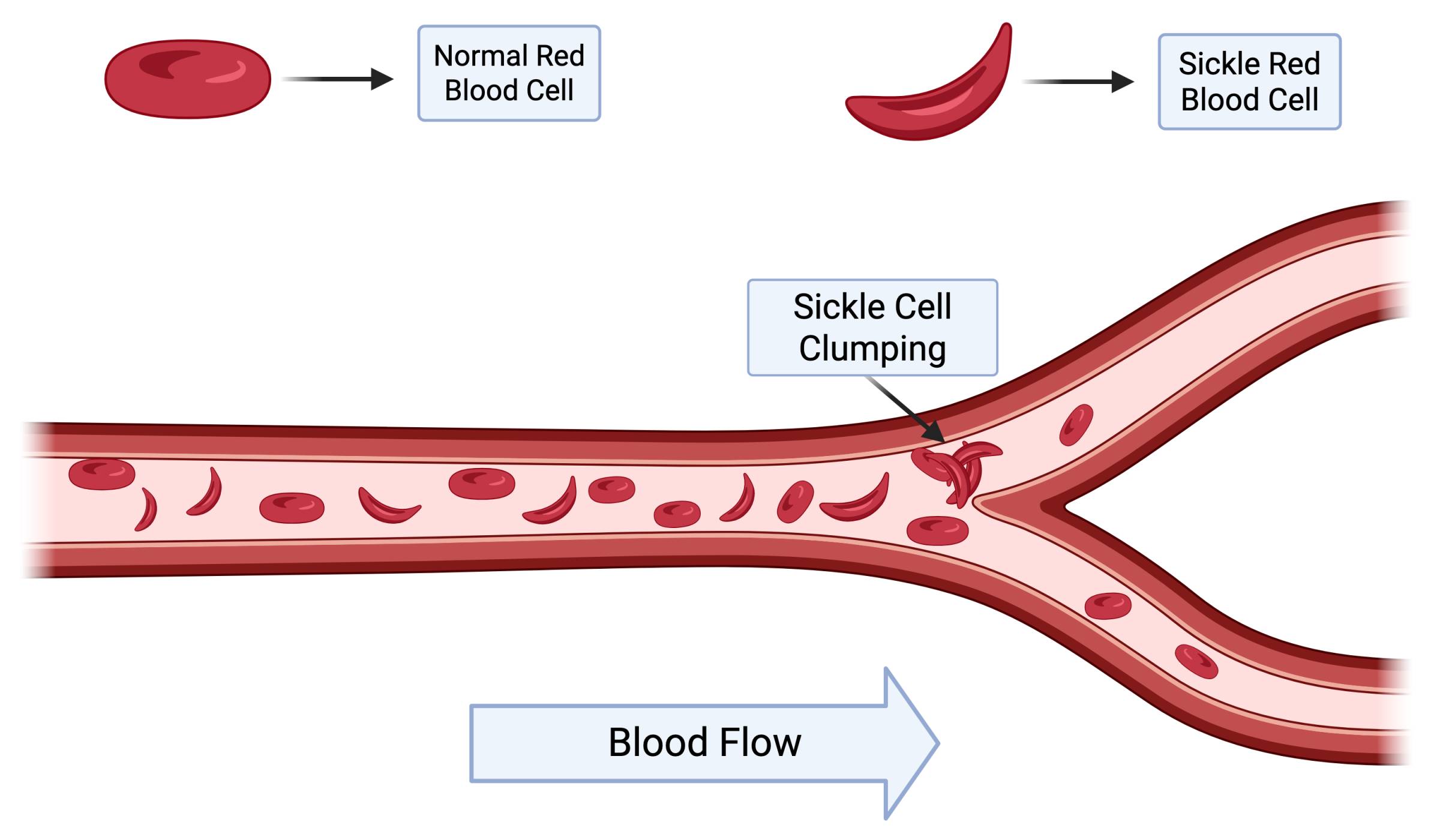
Clumping of sickle cells in blood vessels, blocking and restricting blood flow in the body
Video Presentation
Impact Statement

Allison Gee
Personally, biomedical science was a completely new world to me. Although I’ve been drawn to the field of science, Elio Academy gave me a great opportunity to explore the many aspects of biomedical science. Throughout the program, I developed my research and communication abilities by creating a scientific poster and presenting a video about my project. The program provided me with valuable skills that I will continue to use in the future. Additionally, Elio Academy included interesting and thought-provoking lectures, opening up a wider range of scientific vocabulary and concepts that will be beneficial throughout my academic career. Overall, this experience has allowed me to grow both academically and personally with the hope of pursuing a career in the medical field.
Student Reflection
By: Allison Gee.