AND Gated DNA Nanorobots for High Precision Therapy of NPM1/FLT3-ITD Acute Myeloid Leukemia
By: Kinnari Borah (Delhi Public School Guwahati)
Summary
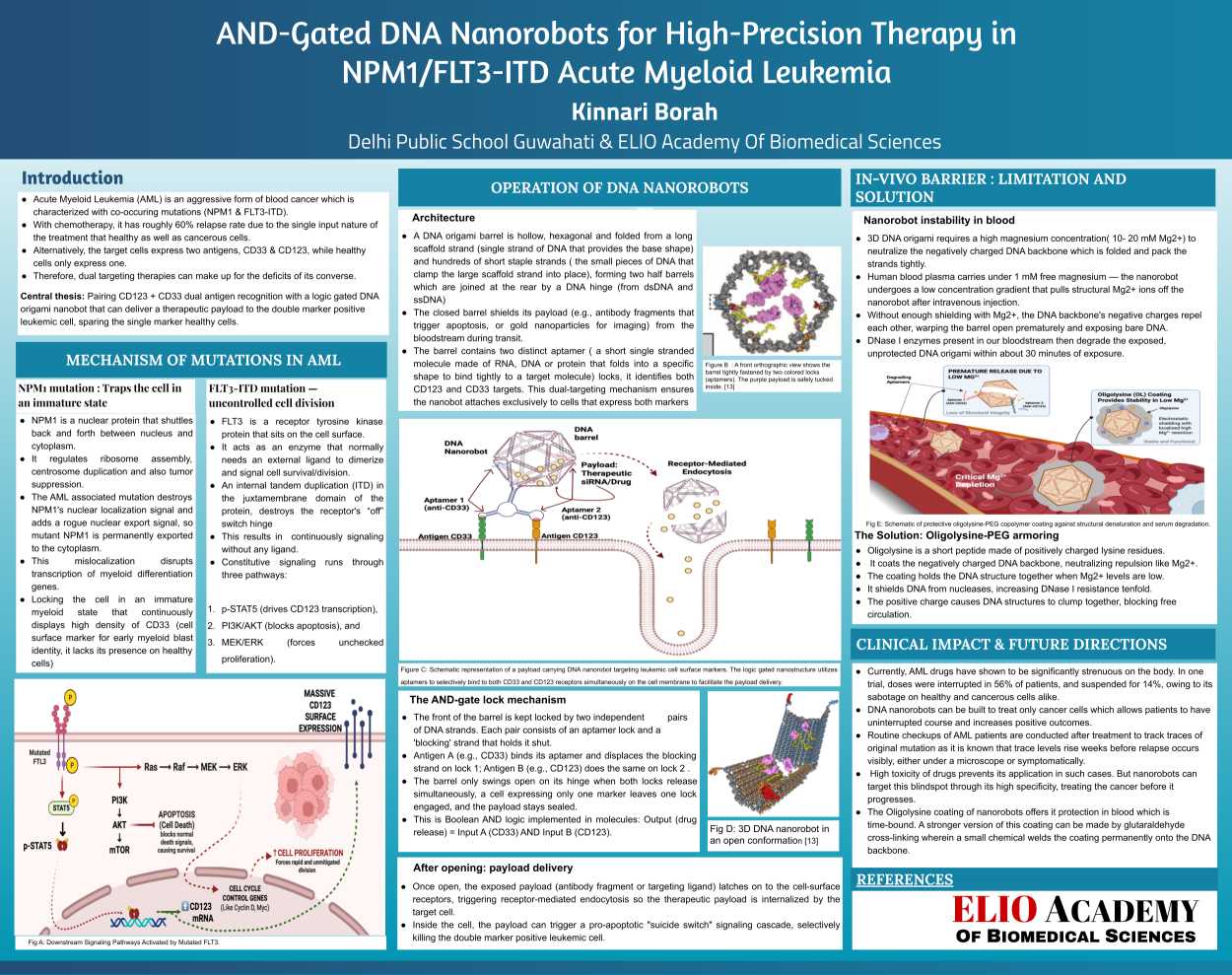
Acute Myeloid Leukemia (AML) is an aggressive form of blood cancer which is characterized with co-occuring genetic mutations (NPM1 & FLT3-ITD). Chemotherapy has been reported to have 60% relapse rate due to the single input nature of the treatment that attacks healthy as well as cancerous cells. However, as the target cells express two antigens, CD33 & CD123, while healthy cells only express one, dual targeting therapies can be designed to supplement the deficits of its converse. This can be achieved by DNA nanorobots which are capable of specifically identifying target cancerous cells via its antigen-dependent logic-gated mechanism. It contains a hollow hexagonal DNA origami barrel that shields a therapeutic payload during transport through the bloodstream. This origami barrel only opens upon simultaneous detection of the target antigens by two distinct aptamers, namely Anti-CD33 and Anti-CD123. Following, the payload is exposed for receptor-mediated endocytosis and intracellular delivery. There is a key challenge to this method: high magnesium concentration is required to preserve the folded structure of the DNA origami but low magnesium levels in our blood stream, along with nuclease enzymes, cause structural degradation that consequently leads to loss of protective coating. The proposed fix is Oligolysine PEG Armouring wherein a positively charged peptide neutralizes the negatively charged DNA backbone and shield it from nucleases. Furthermore, the PEG coating prevents clumping and extends the time in vivo with evidence of stability for upto 48 hours. By combing dual antigen logic-gated targeting with a stable delivery vehicle, this approach reduces the off-target toxicity and treatment interruptions that limit existing therapies.
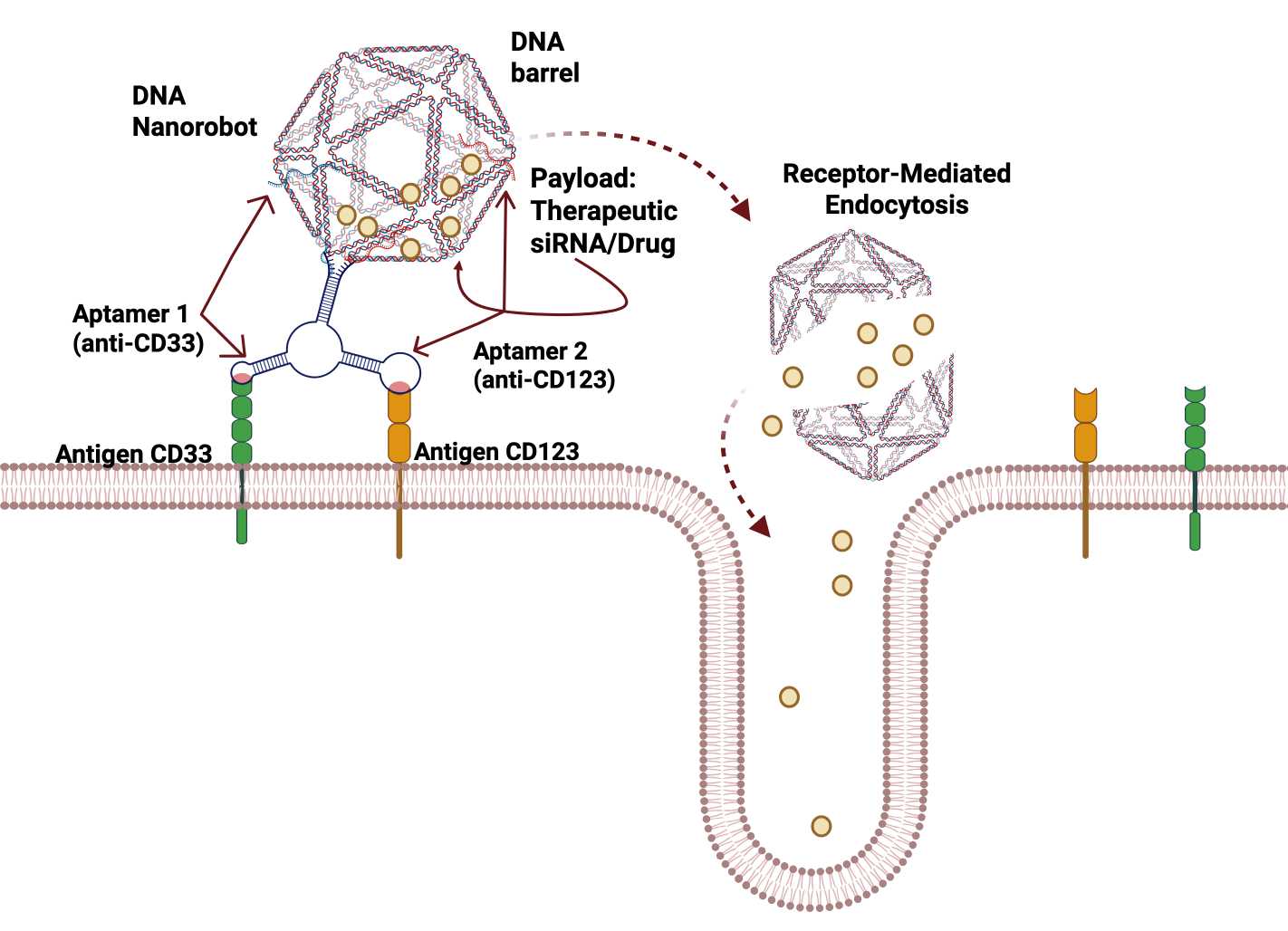
Schematic representation of a payload carrying DNA nanorobot targeting leukemic cell surface markers.
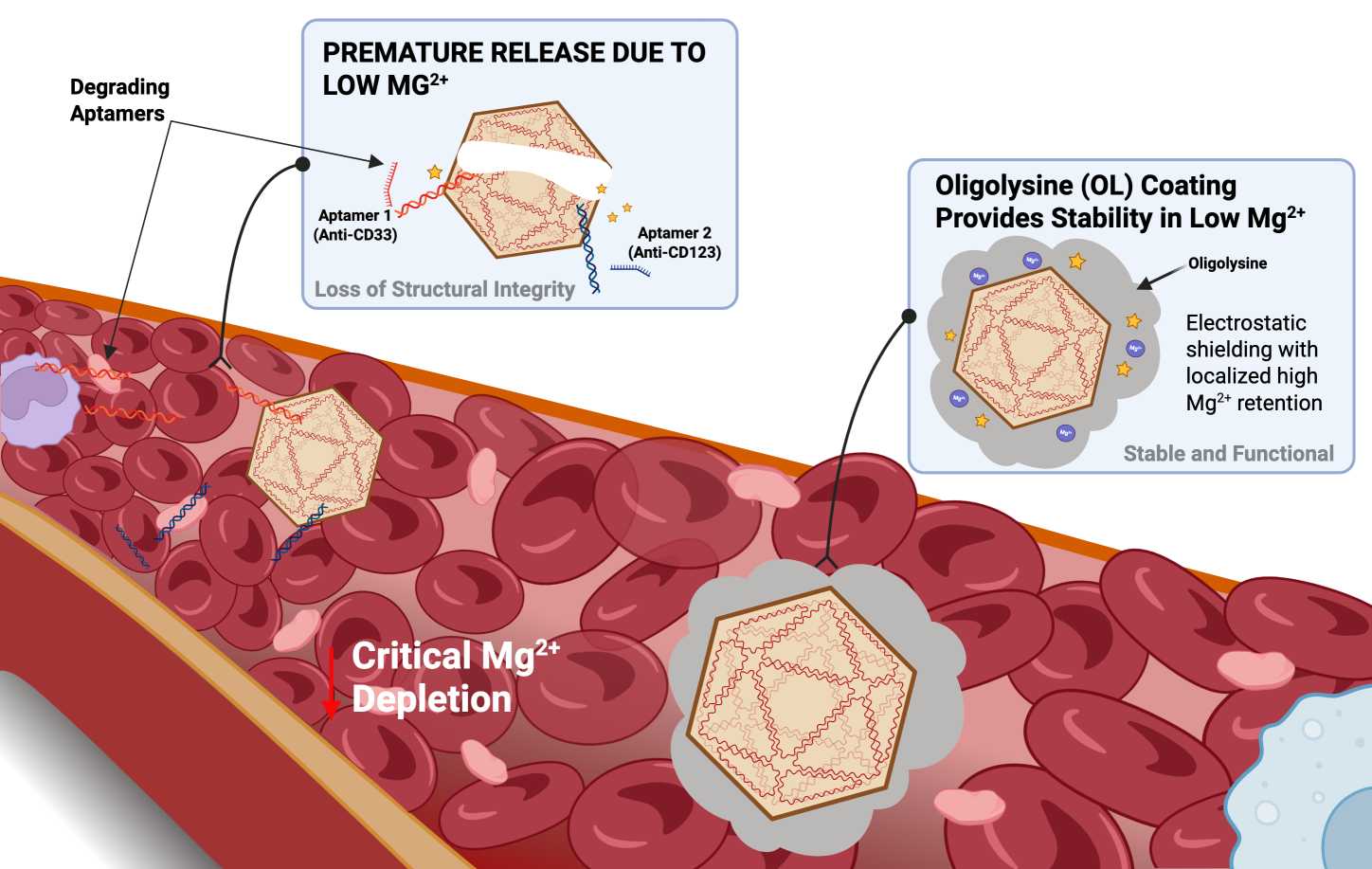
Schematic of protective Oligolysine-PEG copolymer coating against structural denaturation and serum degradation.
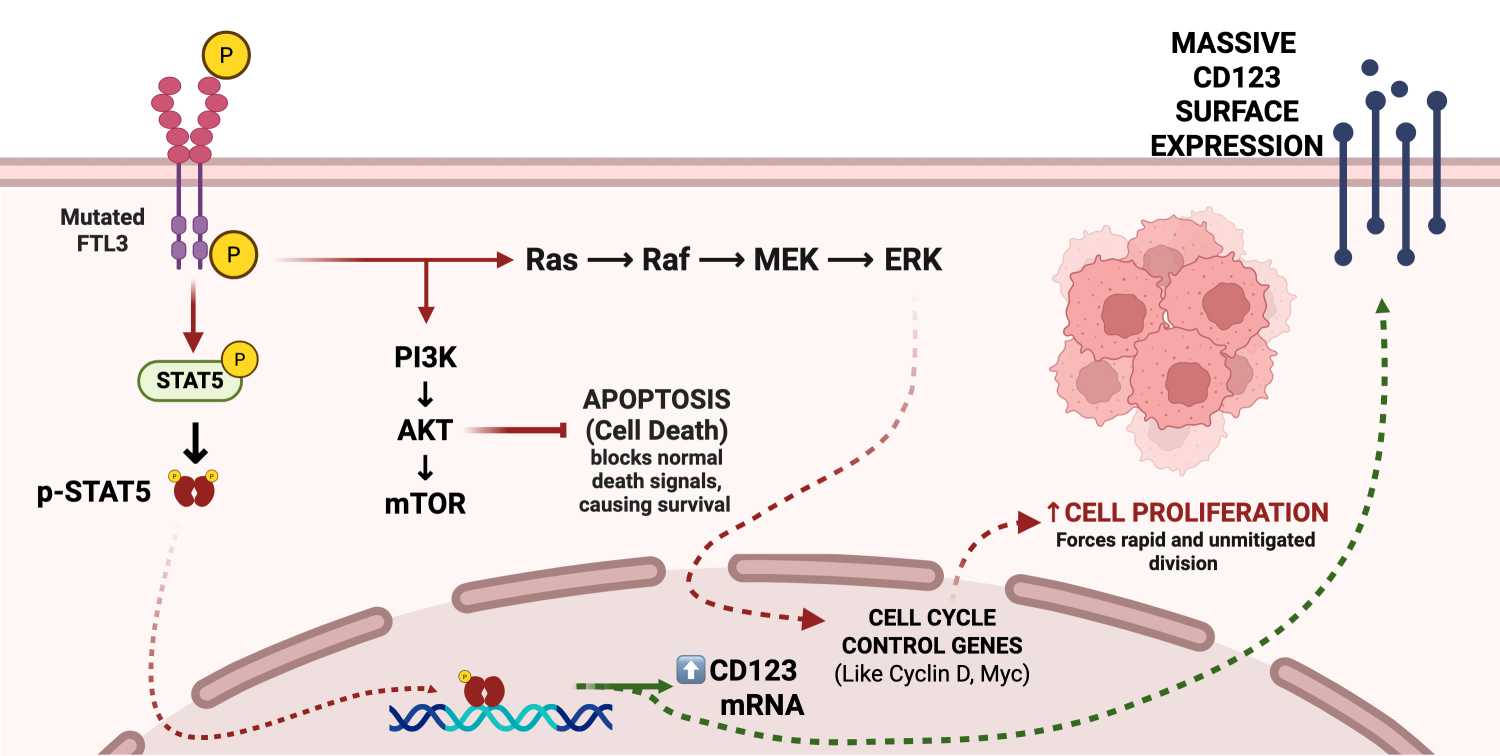
Downstream Signaling Pathways Activated by Mutated FLT3.
Video Presentation
Impact Statement

Kinnari Borah
Through this program, I explored the field of bioinformatices in particular relevance to biomedical sciences. It facilitated the development of a strong foundation, which was further augmented through my mentor with whom I learned how to search and filter through scientific databases like PudMed and Scopus. More importantly, it also taught me how to synthesize information scattered across various nodes into something coherent, which transformed into a research poster on DNA nanorobots for AML therapy for me. Over the summer, I understood the process of connecting findings from multiple sources, including institutions like MD Anderson, Cleveland Clinic, etc., which provided the basics I would need before moving into more advanced research. The Elio Academy of Biomedical Science exposed me to real bioinformatics tools that I had only heard about previously. Beyond learning the theory, I was tasked with navigating through databases like STRING-DB for protein-protein interaction networks, UniProt and Protein Atlas for protein function and expression data, and interpreting mutational signatures to understand disease mechanisms. Moreover, I used Malacards to cross-reference disease information and BioRender to visually communicate my findings through a scientific poster. As my project was centered on logic-gated DNA nanorobots for targeted therapy of Acute Myeloid Leukemia (AML), I also gathered knowledge on one of the biggest challenges in medicine, namely, crossing the blood-brain barrier and application of nanotechnology to provide precision-based alternatives therapies to traditional treatments.
Student Reflection
By: Kinnari Borah.