The Effects of Cerebral Palsy on Mental Health
By: Steve Chen (California High School)
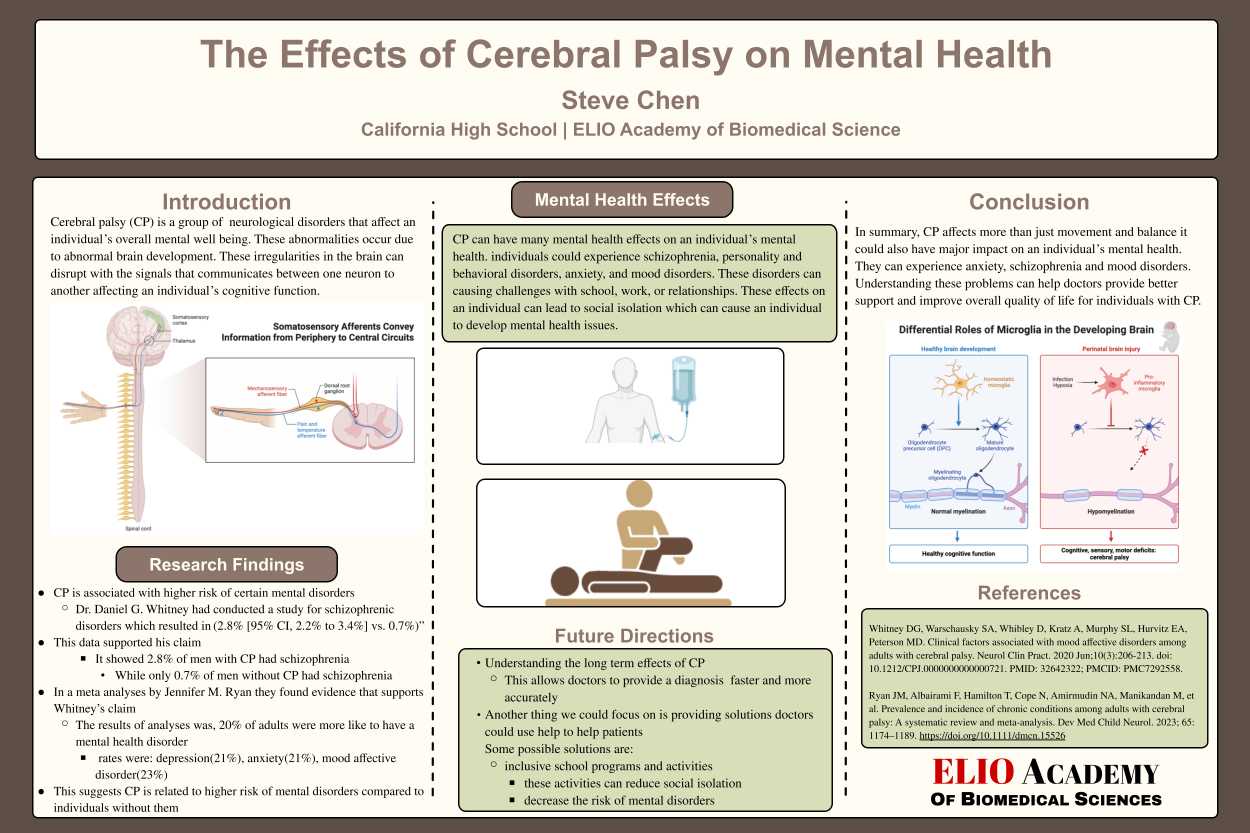
Summary
Cerebral palsy or (CP) is a neurological disorder that is caused by some kind of brain injury or abnormal brain development. This results in a disturbance in the sensory network between the brain and muscles, which causes an individual to develop many different types of mental disorders.
Individuals with cerebral palsy are associated with higher risks of developing mental disorders like depression, anxiety, and other mood affective disorders than individuals without cerebral palsy. These disorders can cause many difficulties for individuals because they find it challenging to concentrate on individual tasks and maintain focus in class. Furthermore, individuals with cerebral palsy also experience chronic pain and physical limitations.
These limitations can result in individuals being left out of activities, which leads to social isolation and potentially being bullied for being different from their peers. Social isolation is a major contributing factor to why mental health disorders are so much more prevalent among individuals with CP than among individuals without CP.
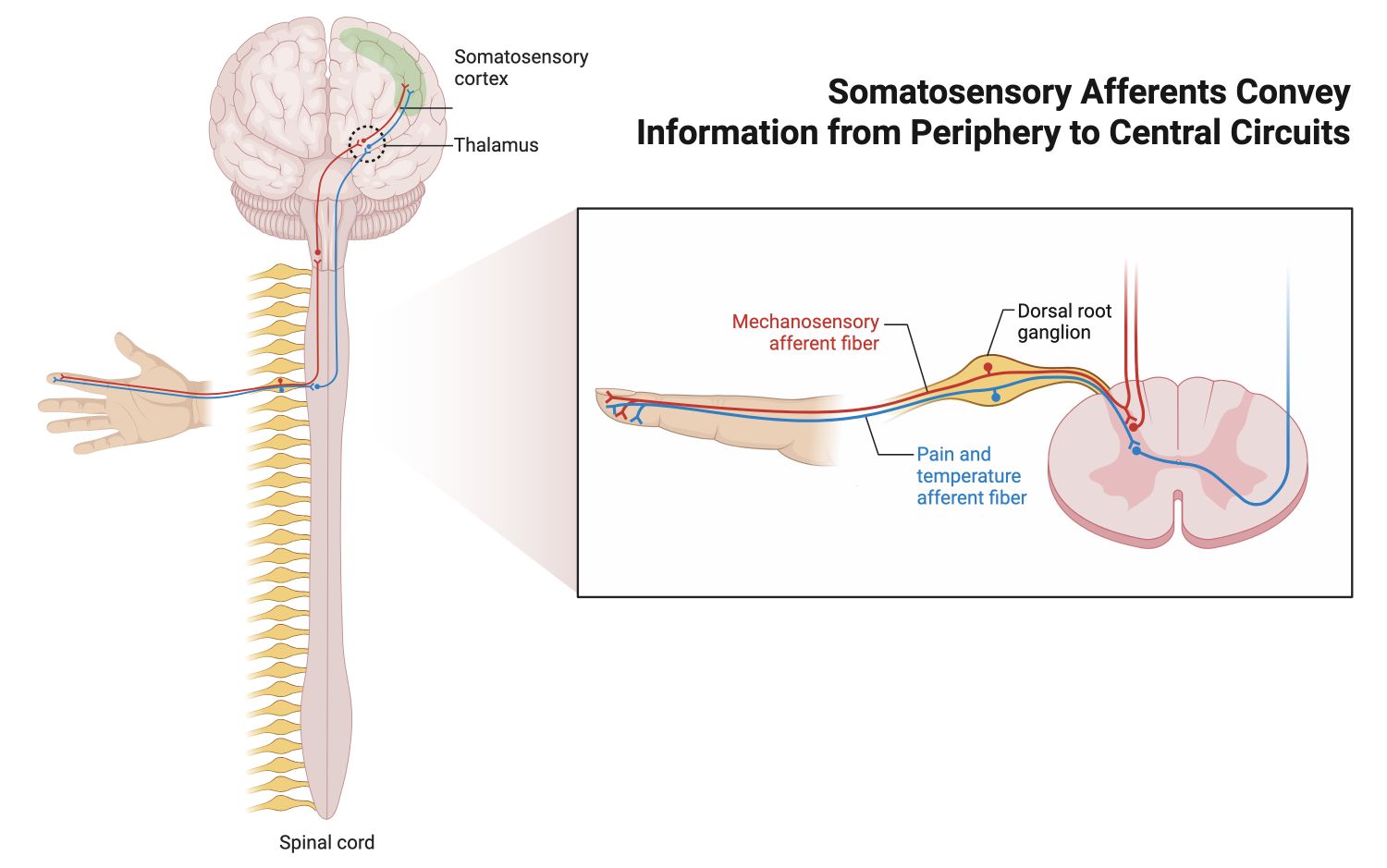
Somatosensory Afferents Convey Information from Periphery to Central Circuits
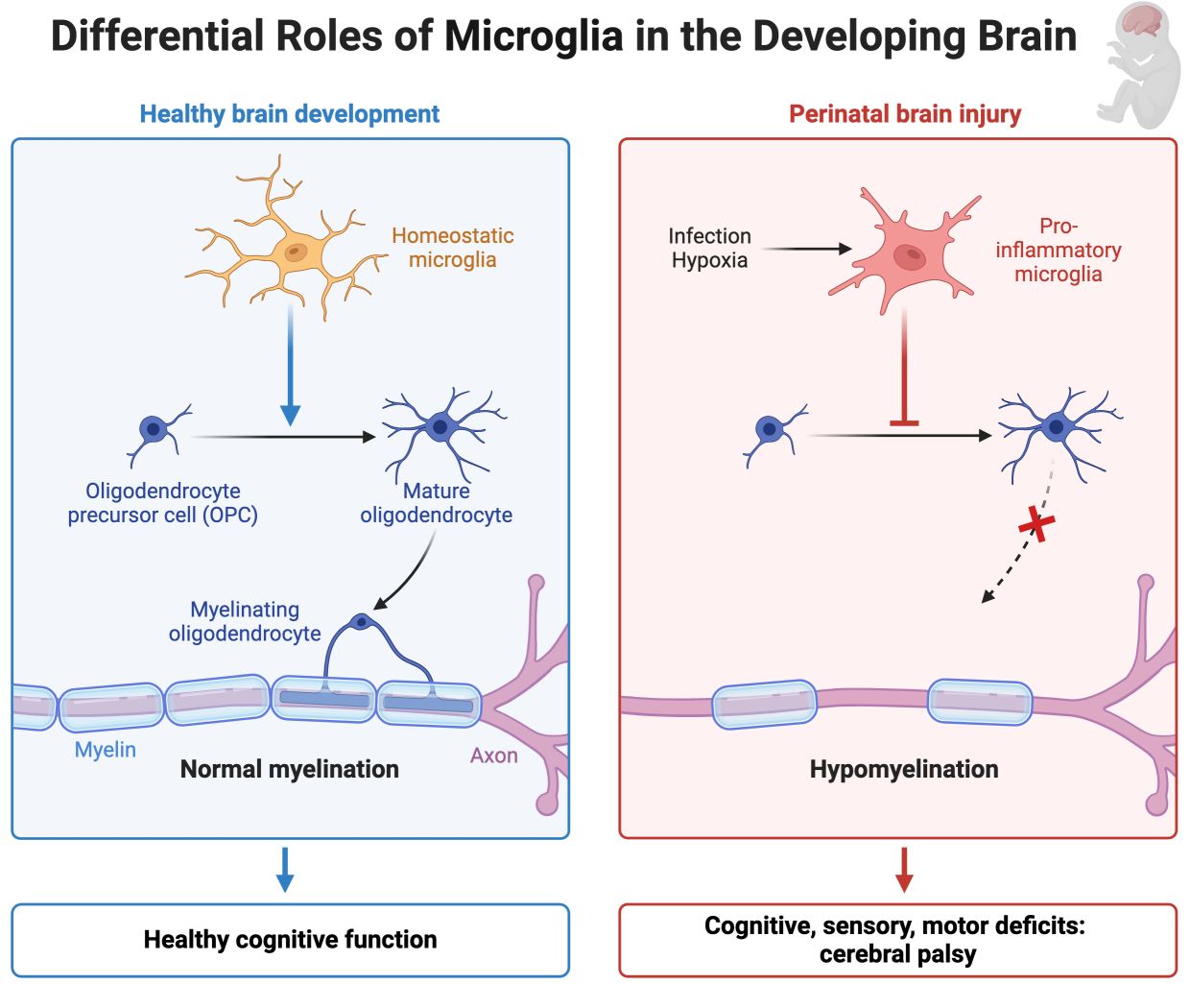
Differential Diagnosis of Microglia in the Developing Brain
Video Presentation
Impact Statement

Steve Chen
Before this program, I had very little insight into neuroscience, and I was very skeptical that I would be able to understand anything from this course. However, this program turned out to be something much different than I had imagined. All of the concepts that we talked about seemed more approachable than I had expected. Throughout this program, I was able to get a deep understanding of how the brain really works, including how different areas of the brain are responsible for different functions. On top of that, we also explored how different regions of the brain communicate with the rest of our body to perform various tasks. In addition, throughout this course we were given the opportunity to carry out our own research to poster and video. This gave me a good understanding of what a research project should look like. Looking back on it now, there were some things I could have improved on, like adding more visuals to my project and being more confident when I presented. Overall, I believe this course was a great way to challenge yourself to step out of your comfort zone and a good opportunity to expand your knowledge on neuroscience.
Student Reflection
By: Steve Chen.